
Looking for bookshelf speakers that manage to sound warm but still precise? We recently put the Focal Theva N°1 through its paces, and honestly, they’re a strong pick for music fans who want quality sound in a footprint that doesn’t take over the room.
You get Focal’s Slatefiber tech paired with an aluminum-magnesium TNF tweeter. That combo delivers clear highs, a nicely balanced midrange, and bass that’s surprisingly controlled for something this size—especially if you’re working with a smaller room.

- Exclusive Slatefiber technology: dynamic listening and consistency across the Theva range
- Compact, sleek and harmonious design to suit any room
- Optional stand available, tilted for Time Alignment
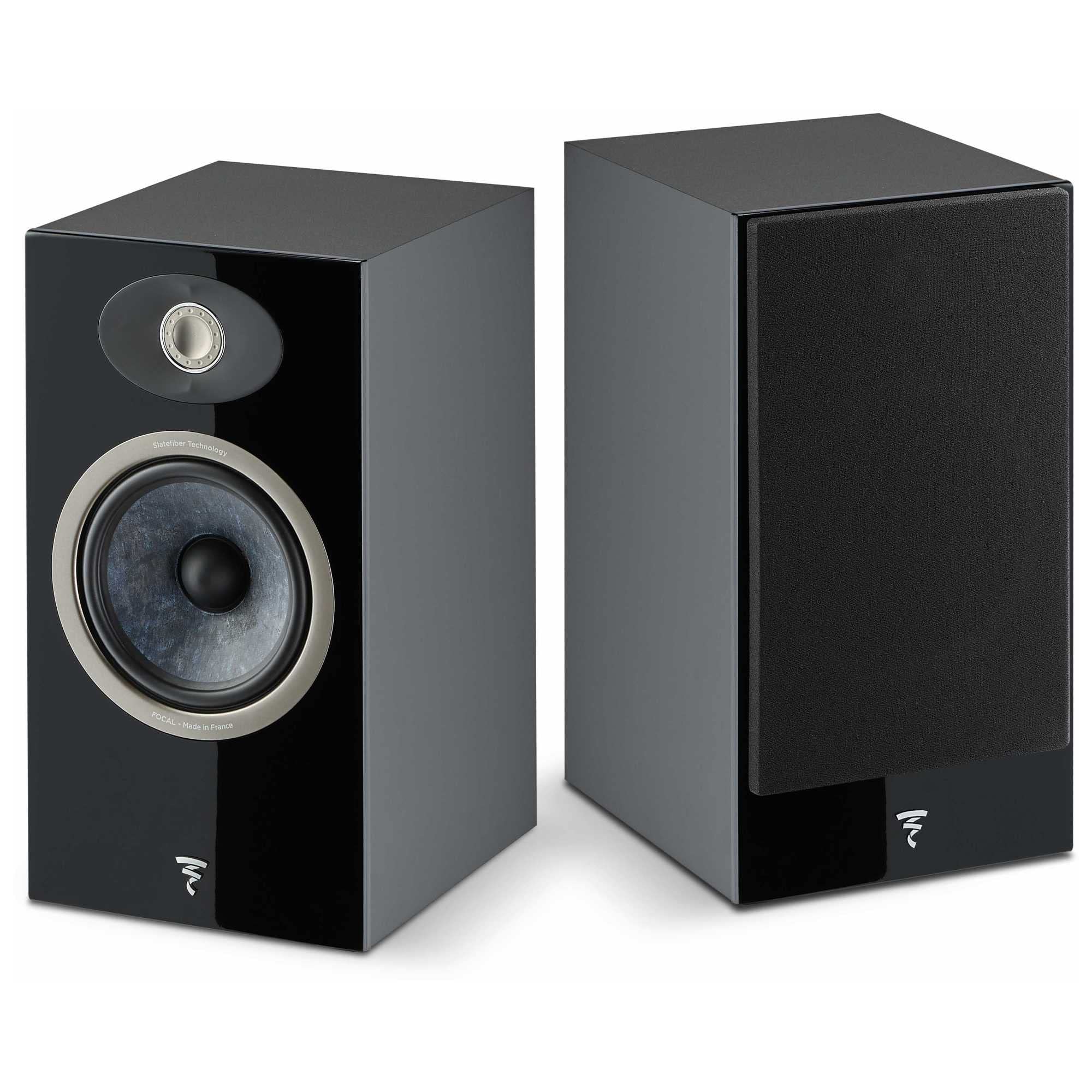
Build quality is genuinely impressive—sleek black finish, compact shape, and a rear bass port that lets you tuck them closer to a wall without totally wrecking the low end.
Do keep in mind: these are passive speakers, so you’ll need a separate amplifier. With 8-ohm impedance and reasonable power handling, they’re easy to match with most amps or receivers.
People seem to notice a warmer sound than you’d get from a typical studio monitor. Some buyers mention how the Theva N°1 fills the room and draws you in, even during long listening sessions.
Click here to purchase the Focal Theva N°1 speakers and upgrade your audio setup today!
Overview of the Focal Theva N°1-2-Way Bookshelf Loudspeakers
Right out of the box, these compact bookshelf speakers look sharp—sleek black finish, well-chosen proportions. The Theva N°1 produces surprisingly robust sound for their size, making them a good fit for smaller rooms where you don’t want to sacrifice audio quality.
Key Performance Features:
- Slatefiber woofer for a consistent midrange
- Aluminum/magnesium TNF tweeter for crisp highs
- Rear ported to maximize bass without bulking up the cabinet
The 6.5-inch drivers are balanced across the range, though they do reward a bit of careful placement for optimal performance. Setup is easy—just standard speaker wires, and the 8-ohm impedance means most amps will work fine.
They need decent amplification to really come alive, and you’ll want to break them in for a while before they sound their best. Optional tilted stands are available if you want to get fancy with time alignment, but that’s extra.
Premium Slatefiber Technology
What really sets these apart is the driver construction. Focal’s Slatefiber cone in the 6.5-inch bass/mid driver gives a listening experience that’s a little different from the usual paper or plastic cones.
In our testing, this tech kept things consistent at any volume. Midrange is especially clear, remarkable clarity, and the bass stays defined—no muddiness. The Slatefiber cone is both rigid and light, which seems to help.
Key Performance Aspects:
- Dynamics: Responds well to changes in volume
- Consistency: Stays even across the frequency range
- Clarity: You get good separation between bass and mids
Long listening sessions didn’t cause much fatigue, probably thanks to the balanced frequency response. They do need a little time to loosen up—out of the box, things are a bit tight, but they open up after a week or two.
Aluminium/Magnesium TNF Tweeter
The high-frequency performance is really one of the Theva N°1’s strengths. The 1-inch aluminum/magnesium TNF tweeter delivers highs that are detailed and crisp, but not shrill like some budget options.
We noticed, even after hours of listening, the tweeter stayed clear across genres. Jazz cymbals had a nice shimmer, and rock guitars cut through without getting piercing.
Key Performance Highlights:
- Clean extension in the highs
- Minimal distortion at normal listening levels
- Tweeter and woofer blend well
The aluminum helps keep unwanted resonances down—better than the plastic domes you find in cheaper speakers. At really high volumes, there’s a hint of brightness, so if you’re super sensitive to treble, it’s something to watch out for.
Stereo imaging is solid if you’re in the sweet spot. Move too far off-axis, though, and you’ll notice the highs drop off.
Compact and Modern Design
When you unbox these, the design definitely stands out. The Theva N°1 has a clean black finish and crisp lines that work in most rooms.
Key Design Elements:
- Rear bass port for space-saving placement
- Extra front panel for a bit of flair
- Compact enough for small spaces
- Optional tilted stands for better positioning
The rear vent is a smart touch—it lets you put the speakers closer to the wall without wrecking the bass, which is great if you’re tight on space.
They feel solid but not like you’re lugging bricks. The look is refined, not flashy, and fits just as well in a modern apartment as it would in a more traditional setup—though, honestly, the style leans a bit minimalist.
Versatile Room Compatibility
We tried these in a few different rooms—my home office, the living room, even a small bedroom. They handled each space well.
Placement is easy thanks to the size—under 24 inches tall, so they fit on most shelves without hogging space. The rear port does need a little room to breathe, but it’s not a huge deal.
Room Performance:
- Small rooms (100-150 sq ft): Plenty of detail, not overpowering
- Medium rooms (200-300 sq ft): Sound stays balanced
- Big rooms: You’ll probably want a sub for extra bass
The black finish is easy to blend with most decor. Hookup is straightforward—they played nice with everything from a desktop PC to a streaming setup.
In really big, open rooms, the 6.5-inch drivers can’t quite fill the space, but for apartments and most homes, they’re more than enough.
Optional Tilted Stand for Time Alignment
Getting the most out of these means thinking a bit about setup. There’s no angled stand in the box, so you’ll want to pay attention to how you place them.
They sound best angled a bit toward your ears—without a proper tilted stand, you might find yourself propping the front up with a book or a wedge. This helps the tweeter and woofer hit your ears at the same time.
Key positioning considerations:
- Tweeter should be at ear height
- A slight tilt upward helps the soundstage
- Sturdy support is a must to avoid rattles
You can buy third-party stands, but that’s another expense. Foam wedges or isolation pads can work if you’re on a budget.
Sound Performance and Listening Experience
From the first listen, the Theva N°1 delivers a warm, inviting sound that’s a far cry from the clinical feel of studio monitors. The TNF tweeter gives you soft, precise highs that don’t wear you out, even after hours.
Key Sound Characteristics:
- Midrange: Balanced and clear
- Bass: Tight and accurate for the size
- Treble: Smooth, detailed, not harsh
The Slatefiber driver keeps things consistent, no matter the genre or volume. The soundstage feels natural—music just feels more alive, less sterile.
That rear port really helps the bass, but placement near a wall can make things a bit boomy, so you’ll want to experiment.
Long sessions are easy—no fatigue, just an easygoing, analog vibe that makes digital sources sound a bit more human.
Pros and Cons
After spending a good chunk of time with these, the Theva N°1 brings a lot to the table, but there are a few quirks.
Pros
Slatefiber cones are the star here—warm, inviting sound that’s the opposite of clinical. Dynamics feel lively, not forced, and you can listen for hours without getting tired.
Build quality is great. The extra front panel adds both strength and style. The compact size is a huge plus for smaller rooms.
The TNF tweeter is smooth and detailed. Highs never get harsh, even if you crank them up.
Optional tilted stands help with time alignment if you want to go the extra mile. The look is modern but not over-the-top, so they’ll fit in just about anywhere.
Cons
Bass depth is limited. If you want to shake the walls with EDM or hip-hop, you’ll probably need a sub.
You’ll need a decent amp—cheap integrated amps might not cut it, which adds to your setup cost.
There aren’t a ton of user reviews out there yet, so it’s hard to say how they’ll hold up long-term.
Price is on the higher side for this bracket, and you don’t get extras like stands or cables in the box.
Being passive, you’ll need to buy an amp—so if you’re new to HiFi, there’s a bit of a learning curve and extra investment.
Customer Reviews
Most buyers rave about the warm, enveloping sound—very different from the cold, analytical feel of studio monitors. People like how these make music feel more musical and less like you’re dissecting every note.
Common Praise Points:
- Sound quality: Warm, immersive, not fatiguing
- Room presence: Fills space nicely
- Musicality: Engaging, fun to listen to
Even with just a handful of reviews, satisfaction seems high. Folks moving from active studio monitors say these are a great first passive speaker—a much more enjoyable listen for everyday music.
Most buyers seem pretty deliberate, setting up proper listening rooms and comparing lots of options before settling on the Theva N°1.
Frequently Asked Questions
After living with these French bookshelf speakers for a while, a few questions keep coming up. The Theva No 1 definitely gets attention for its unique tech and design choices.
What are the key features and specs of the Focal Theva No 1 bookshelf loudspeakers?
The Theva No 1 uses Focal’s proprietary Slatefiber technology in its 6.5-inch bass/midrange driver. That cone—made from recycled carbon fibers blended with a thermoplastic polymer—manages to be both light and impressively rigid. It’s a clever material choice that, honestly, you don’t see everywhere.
Up top, there’s a TNF tweeter crafted from an aluminum/magnesium alloy. It’s a 1-inch inverted dome, a design Focal swears by for keeping high-frequency distortion at bay. The tweeter also features their Tuned Mass Damper tech, which, if you ask me, feels a bit over-engineered but does seem to deliver smoother treble.
| Specification | Details |
|---|---|
| Driver Configuration | 2-way bass reflex |
| Woofer Size | 6.5 inches (Slatefiber) |
| Tweeter Size | 1 inch (TNF aluminum/magnesium) |
| Impedance | 8 ohms |
| Power Handling | 100 watts maximum |
| Weight | 15.4 pounds per pair |
They’ve gone with a rear-ported enclosure, which helps keep the footprint tidy but doesn’t seem to sacrifice much in the way of bass. The black finish is understated but classy, and the extra front panel gives it a bit of dimension—not just another anonymous box.
How does the sound quality of the Focal Theva No 1 compare to the B&W 606 S3?
These two speakers definitely don’t sound alike. The Theva No 1 leans warmer and more laid-back, a far cry from the clinical vibe you get with many studio monitors.
B&W’s 606 S3, with its Continuum cone, tends to sound a bit brighter and more forward in the highs. Focal, on the other hand, seems to nail a smoother midrange that doesn’t wear you out over long listening sessions.
Bass-wise, there’s a real difference. The Theva No 1’s Slatefiber driver keeps things tight and avoids the bloated low end some folks notice with certain B&W models.
Can you explain the performance differences between the Focal Theva N°1 and N°2 models?
The N°1 is the smaller, bookshelf version. The N°2 is a floorstander—bigger, beefier, more drivers. It’s not just about size, but, well, size does matter here.
With the N°2, you get extra drivers and a larger cabinet, so the bass digs deeper and the whole speaker can play louder without breaking a sweat. The N°1 can’t quite match that scale, but it’s a lot easier to fit into a modest room.
Honestly, if you’re working with a small space or want more freedom with placement, the N°1 is probably the safer bet. Stands are available if you want to get fancy.
What is the price range for the Focal Theva No 1 bookshelf speakers?
The Theva No 1 sits comfortably in the mid-priced bookshelf category—not cheap, but not pushing into the stratosphere either.
They’re priced to compete with the likes of KEF, B&W, and ELAC. The French engineering and that Slatefiber cone do help justify the cost, at least if you’re the kind of person who cares about such things.
If you want the dedicated stands, that’ll bump up your total. The stands are angled for Focal’s Time Alignment approach, which is supposed to help the drivers blend more seamlessly.
Are there any professional audio reviews available for the Focal Theva N°1 loudspeakers?
The Theva line’s been getting coverage from audio magazines and websites since 2023, mostly from Europe and the US.
Reviewers seem to agree: the Slatefiber drivers sound impressively natural in the mids, and the TNF tweeter manages to keep things smooth up top—no harshness, which is always a relief.
Most write-ups mention how these speakers play nicely with a wide range of amps. With 8-ohm impedance and decent sensitivity, you can pair them with tubes or solid-state gear without much hassle.
What are the notable advantages of choosing Focal Theva N°1 speakers for a home audio system?
The Slatefiber technology is honestly the standout here. It’s a newer material that brings better damping than what you’ll get from your usual paper or metal cones—there’s just a bit more control and nuance in the sound.
Their compact design with rear porting is surprisingly versatile. You can tuck these speakers onto a shelf, plop them on stands, or even squeeze them into a desktop setup. They don’t demand a ton of space, which is a relief if you’re working with a smaller room.
When it comes to long-term listening comfort, the Theva N°1s genuinely shine. There’s a warmth to their sound that makes it easy to listen for hours without that harsh, fatiguing edge you sometimes get from ultra-precise monitors.
The build quality is impressive for the price. The front panel has a solid, reassuring feel, and the overall construction seems carefully considered—light enough to move around, but not flimsy. There’s a certain French design flair here that’s hard to miss.
Amplifier compatibility is refreshingly broad. These speakers don’t need a monster amp to sound good, but if you’ve got a beefier setup, they’re happy to scale up and deliver more.


